AI cracks 3,500-year-old ancient code, reveals secrets of forgotten empire
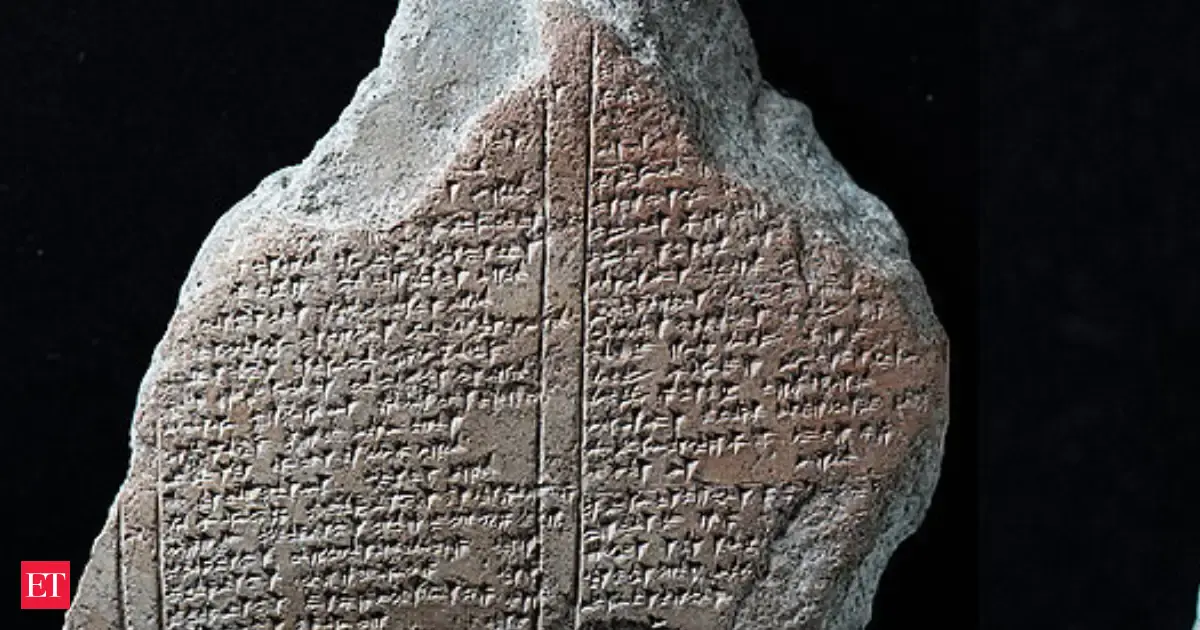
Well, looks like AI just proved it's not just here to suggest terrible Netflix shows and automate customer service. While we were arguing about whether ChatGPT can write a decent haiku, it was apparently busy binge-reading ancient history and cracking 3,500-year-old cuneiform. Forget robots taking our jobs; they're now casually uncovering forgotten empires. Suddenly, my struggles with IKEA instructions feel even more pathetic. The past, it seems, wasn't safe from silicon-based sleuths either.
This groundbreaking achievement comes courtesy of a new AI tool dubbed Palaeographicum, developed by dedicated researchers. This innovative technology is set to revolutionize the study of ancient civilizations by meticulously identifying subtle, often imperceptible differences in cuneiform handwriting etched onto millions of clay tablets. By rapidly scanning and analyzing these symbols, Palaeographicum dramatically accelerates the laborious process of reconstructing historical narratives, promising to unveil long-lost secrets of forgotten cultures far quicker than traditional methods ever could.