 October 27, 2026
1 min read
October 27, 2026
1 min read
Forget the usual mudslinging and petty debates; the 2026 US midterms are shaping up to be a veritable digital free-for-all, where AI isn't just writing the scripts, it's directing the entire performance. We're witnessing the dawn of an era where political discourse isn't just filtered through media bias, but generated from scratch by algorithms, making it harder than ever to distinguish genuine policy debate from cleverly engineered persuasive campaigns. It's less a contest of ideas and more a digital arms race, where the first casualty might just be the voter's ability to discern reality.
October 26, 2026
1 min read
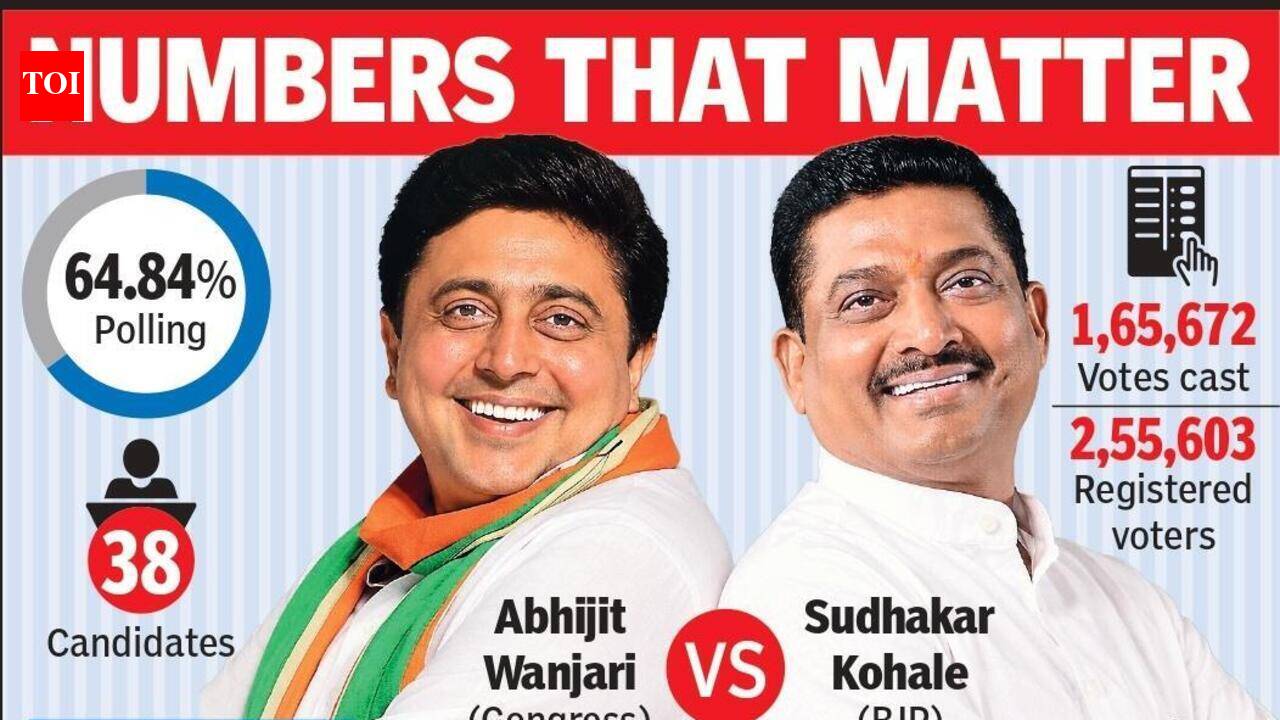
Forget Netflix cliffhangers; the Nagpur graduates’ poll is serving up a political thriller far more compelling than any streaming drama. With BJP’s Sudhakar Kohale and Congress MLC Abhijit Wanjari locked in a quota cage match, it's clear that in modern democracy, 'winning' isn't just about getting the most votes, but about charming enough second preferences to avoid a statistical heart attack. One wrong preference, and suddenly your political career is less 'rocket ship' and more 'rickshaw stuck in mud' waiting for a tow.
October 26, 2026
1 min read
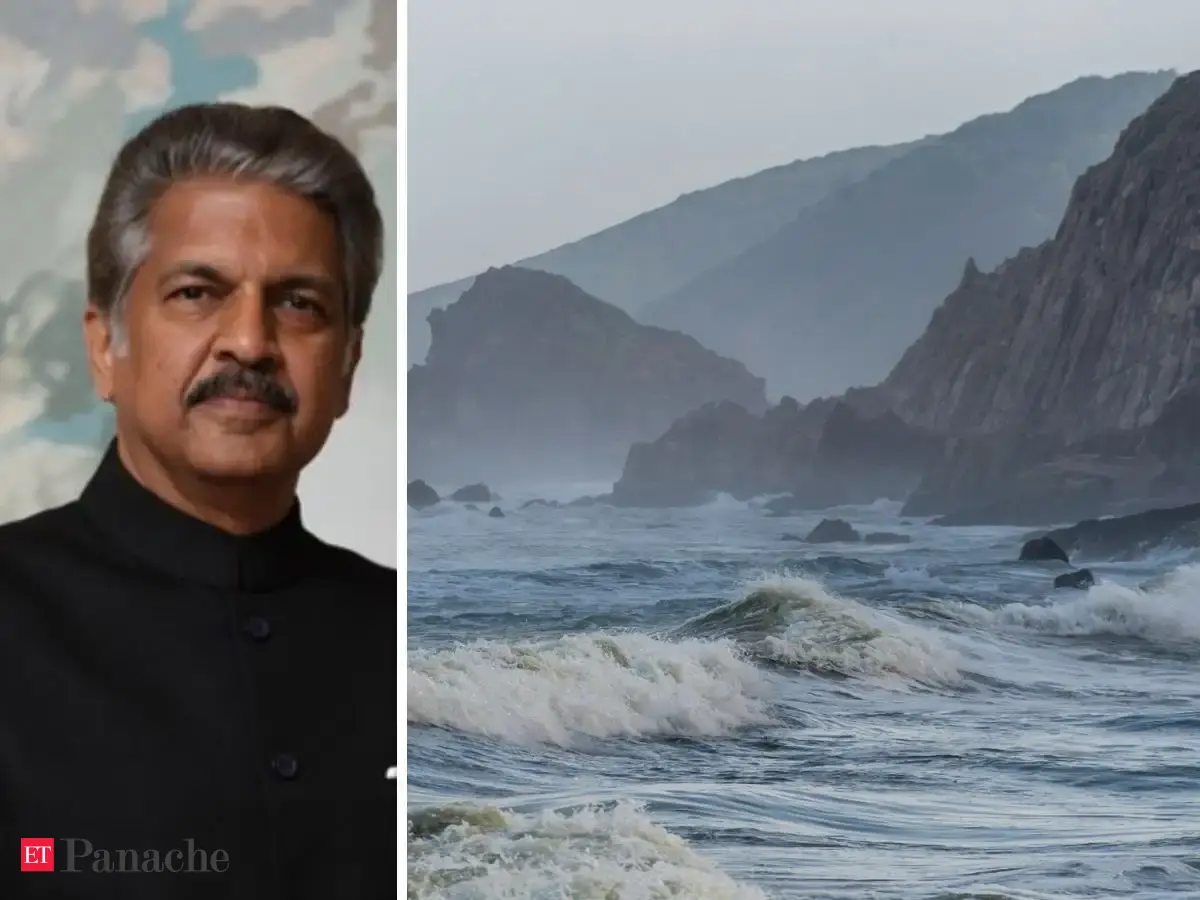
Let's face it, our collective unconscious has been programmed by travel brochures: a 'beach' absolutely *must* feature swaying coconut palms, azure waters, and perhaps a strategically placed hammock. Anything less, we're told, isn't truly paradise. But then comes Anand Mahindra, our discerning 'Sunday Wanderer,' to challenge this tyranny of the picturesque. His latest crush, Visakhapatnam's Gangavaram Beach, with its 'towering rocky cliffs' and 'raw beauty,' isn't just a scenic spot; it's a defiant rejection of cliché, reminding us that true allure often lies where the Instagram filters fear to tread.
October 26, 2026
1 min read
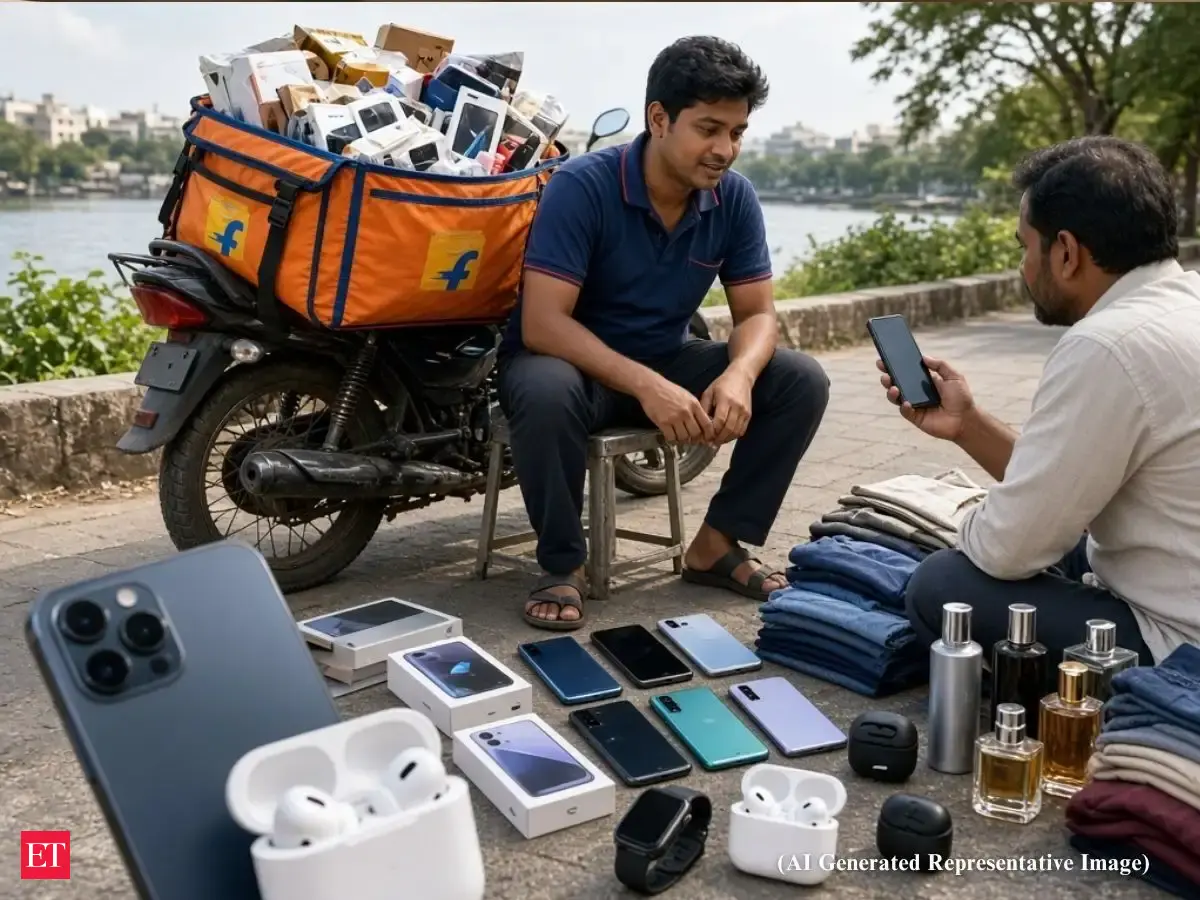
Who knew your next 'Add to Cart' experience could culminate in a roadside bazaar instead of your doorstep? It seems some enterprising individuals are taking 'last-mile delivery' a tad too literally, establishing pop-up shops where the only thing missing is, well, a receipt. Perhaps we should applaud the sheer audacity, if only it weren't for the pesky detail of those goods being, you know, stolen from legitimate customers waiting eagerly for their gadgets.
October 25, 2026
1 min read

Forget ivory towers and theoretical algorithms; Gujarat is rolling out AI education with a refreshingly practical twist. It seems the state decided that if AI is going to reshape our world, its students might as well be the ones actually *driving* the transformation, not just reading about it in a textbook. This isn't just about coding; it's about turning academic insights into actionable solutions, proving that real-world problems are the best classroom for cutting-edge tech.
October 25, 2026
1 min read
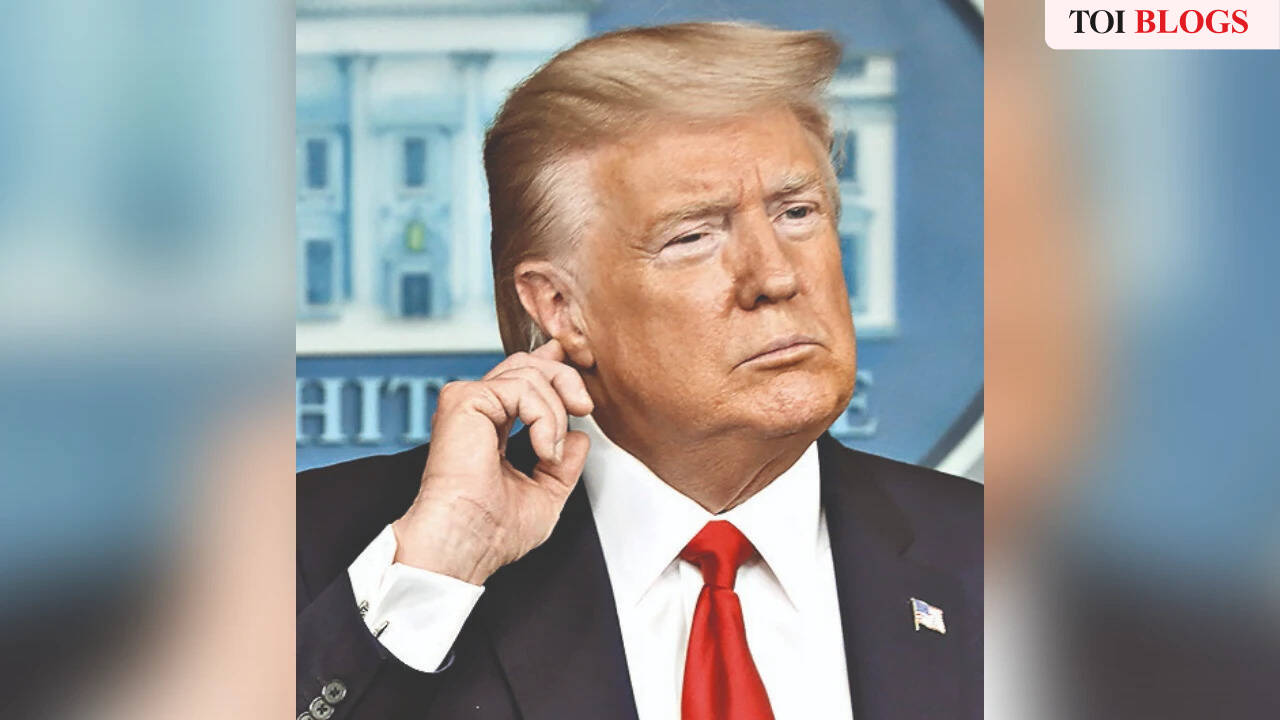
Forget geopolitical strategists and seasoned diplomats; apparently, the real gatekeepers of global sanity are Silicon Valley's elite. If Donald Trump was, by his own account, moments away from rebranding the Atlantic as the 'Trump Ocean' until Sundar Pichai interceded, one has to ponder the sheer, terrifying influence these 'tech whisperers' wield. It seems the digital demigods aren't just designing our apps; they're actively safeguarding our planet from, shall we say, *enthusiastic* presidential branding initiatives.
October 25, 2026
1 min read

Who needs scripted drama when you have Komban and Aishwarya? Their 'friendship' is officially in the Bigg Boss Hall of Flame, extinguished by the searing heat of a jail nomination. It’s less a friendship, more a ticking time bomb that just went kaboom, proving once again that loyalty in the house is as fleeting as a good night's sleep and that a little 'disrespect' can trigger a nuclear meltdown.
October 24, 2026
1 min read
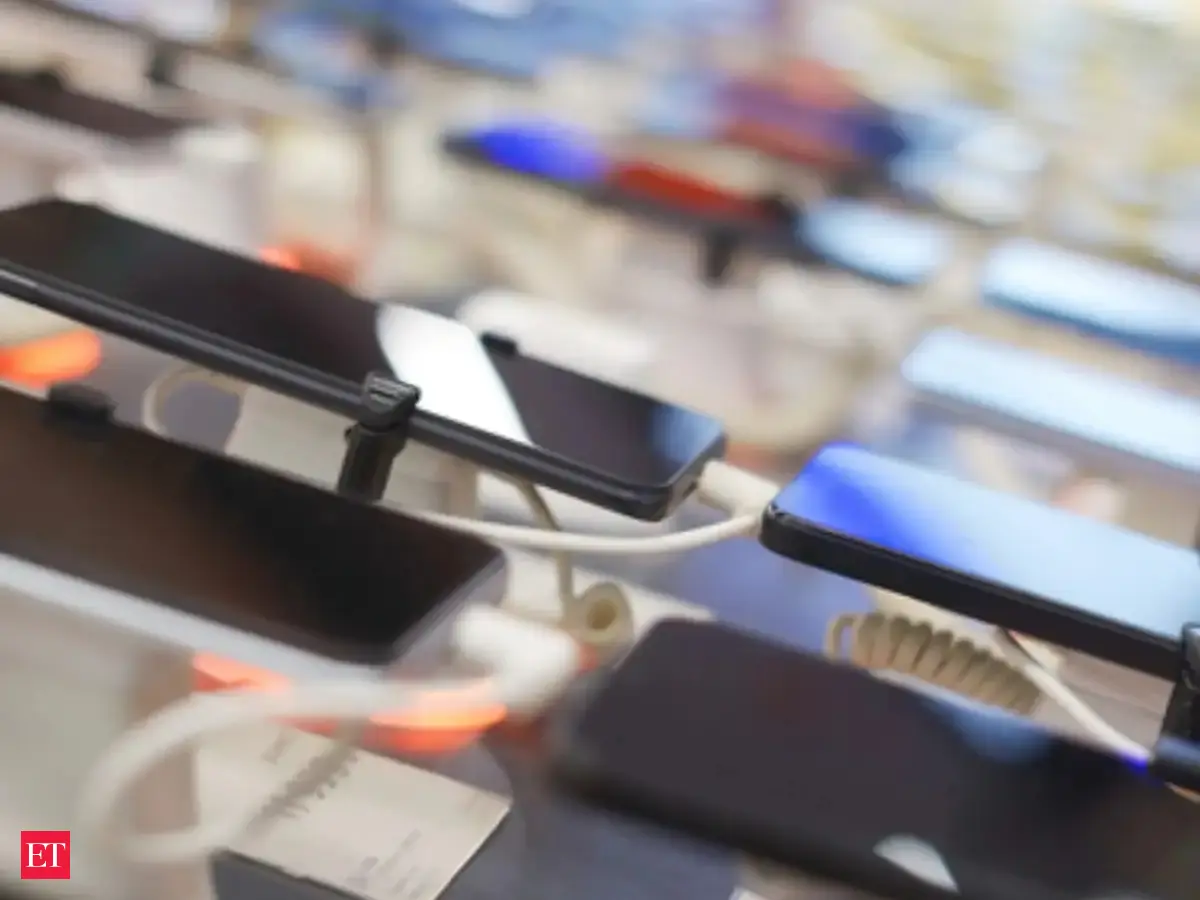
Who knew that charging more for essentially the same sleek rectangle with incrementally better cameras would eventually lead to people, you know, *not buying them*? India's smartphone market hitting a decadal low isn't just a blip; it's the universe's polite way of saying we've collectively realized that our last phone probably still does Instagram just fine, thank you very much. Perhaps the 'smart' in smartphone needs to extend to the pricing strategy before we all revert to carrier pigeons.
October 24, 2026
1 min read
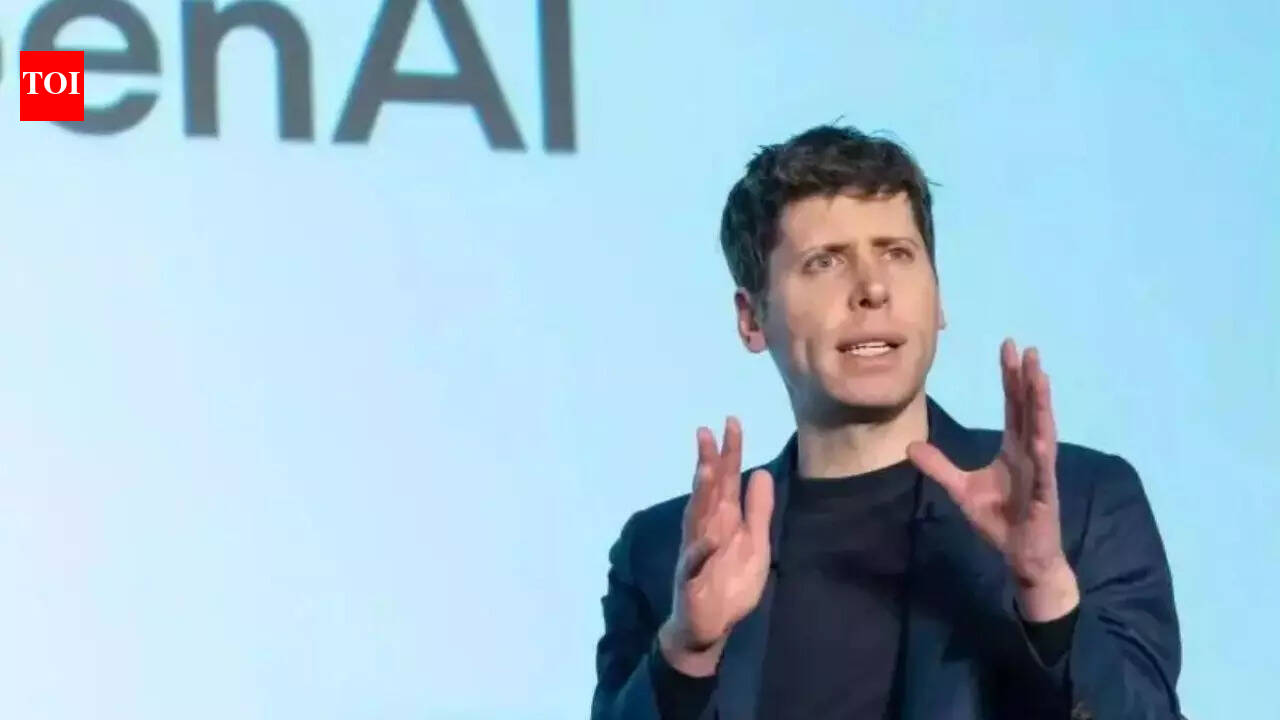
Sam Altman's recent prognostications on AI's future feel a bit like a seasoned gambler warning against the house winning too much – especially when he's holding a suspiciously good hand himself. While his scenarios range from benign international oversight to a unified AI collective, the real 'hot take' isn't his fear of a compute monopoly, but the masterful way he frames it as a universal threat, rather than merely a competitive disadvantage for his own burgeoning empire. It's a deft rhetorical move, positioning OpenAI as the conscientious arbiter of distributed power, even as they currently lead the charge in its accumulation.