Marco Rubio — The bridge between the Trump–Modi economic doctrine
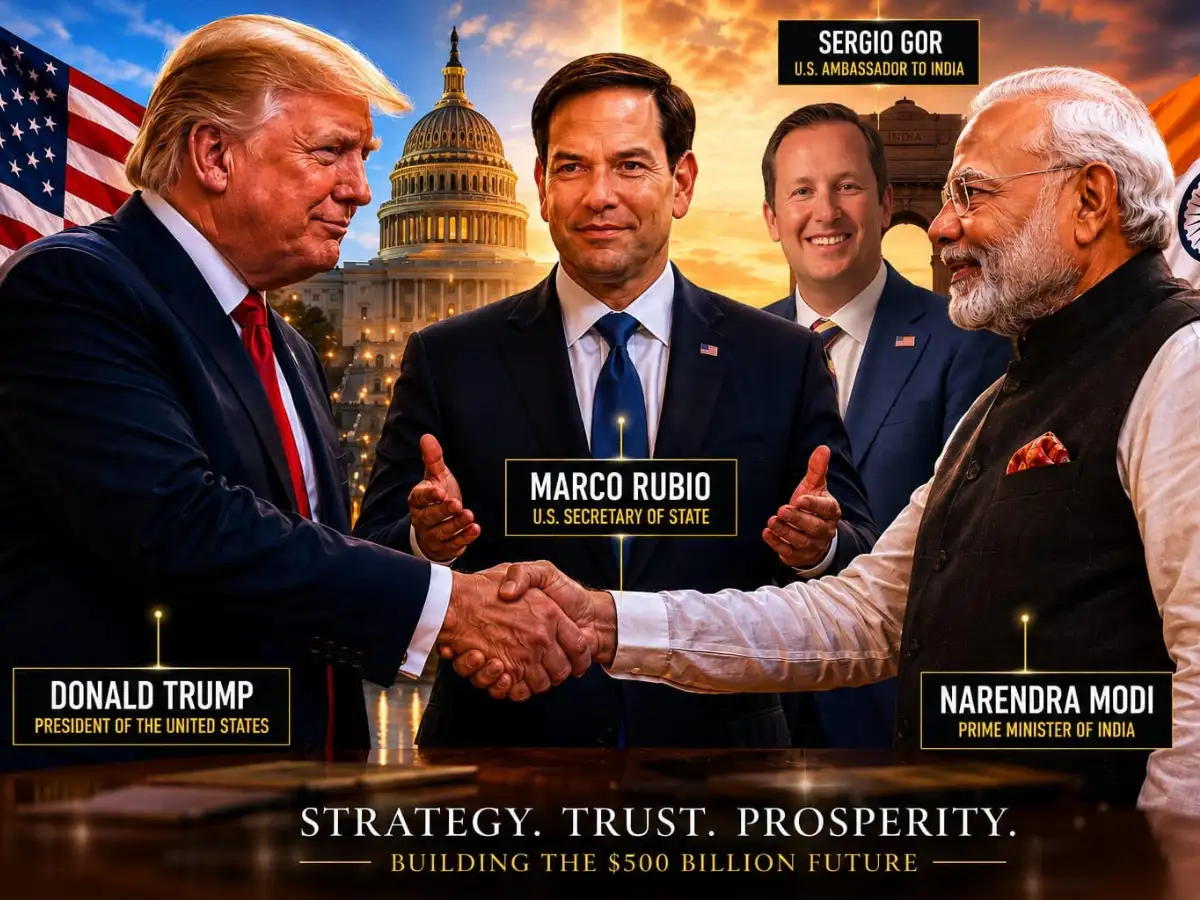
Forget the gilded age of nuanced multilateralism; Marco Rubio's Delhi visit isn't about handshakes and grand pronouncements on human rights. It’s a pragmatic, albeit blunt, masterclass in transactional geopolitics, where 'diplomacy' is merely a fancy word for 'supply chain optimization.' With Trump and Modi setting the global agenda, it appears the new world order isn't built on shared values, but on shared spreadsheets and a mutual disdain for anything that hinders the flow of capital and critical components. This isn't just a bridge; it's a toll road, and everyone's lining up to pay.
This strategic pivot, spearheaded by figures like President Trump and Prime Minister Modi, signals a profound reorientation of international relations. The core of this nascent US-India economic alliance deliberately elevates tangible economic interests—specifically capital investment and resilient supply chains—above the traditional diplomatic niceties. The focus shifts from abstract geopolitical maneuvering to concrete benefits: securing manufacturing bases, diversifying trade routes, and fostering robust economic growth, thereby building a partnership founded on direct, measurable results and strategic economic alignment.