Beyond the Keyboard: How Voice AI is Becoming India's Digital Mother Tongue
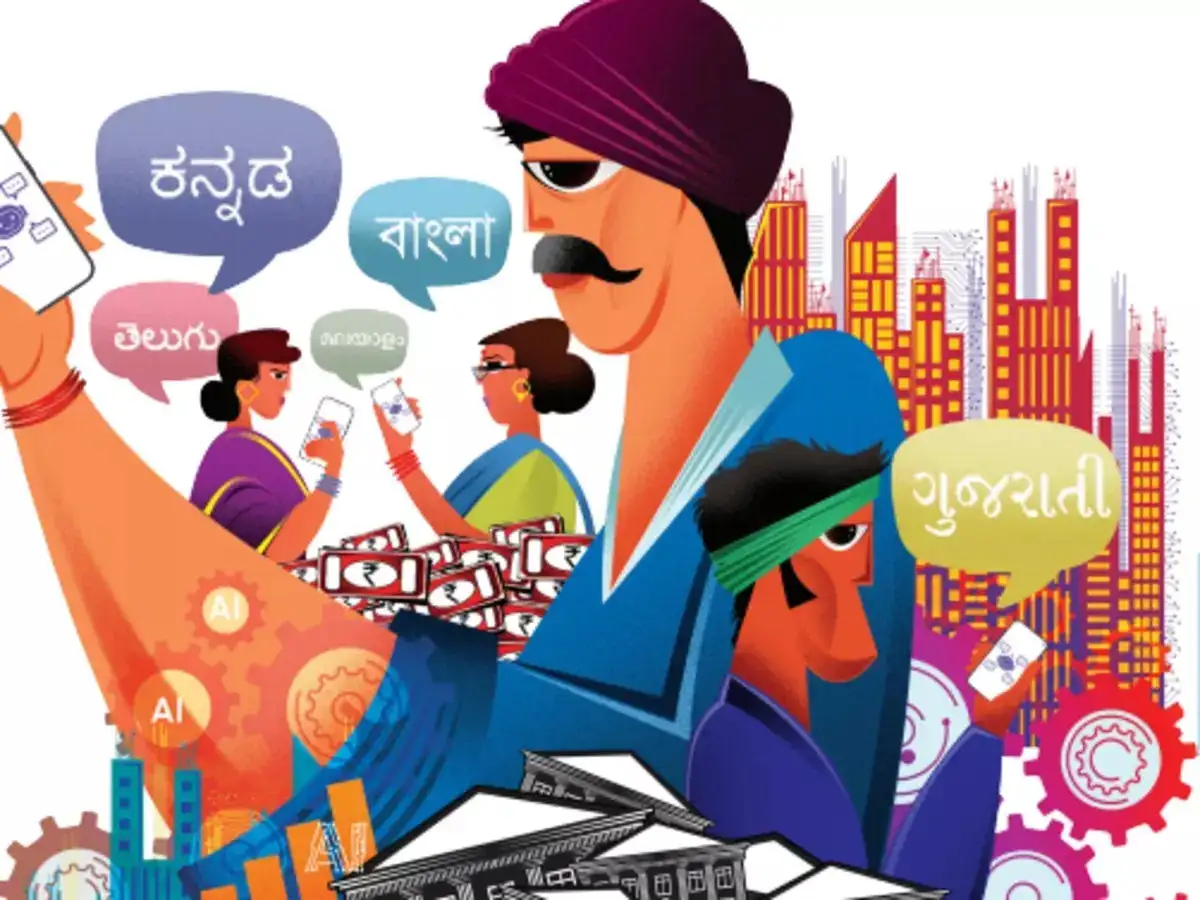
Let's be real: for years, many Indian digital platforms felt like they were designed for an English-speaking, keyboard-wielding minority, leaving vast swathes of the population scrolling in frustrated silence. The idea that voice AI was just a 'nice-to-have' add-on was quaintly naive, perhaps even a touch colonial. Now, the penny has dropped, and companies are scrambling to realize that for genuine scale and democratic access, a text-first approach is as outdated as a dial-up modem. Voice isn't just convenient; it's the only way many Indians will ever truly engage with the digital world, and those still clinging to QWERTY-only interfaces are simply missing the largest, loudest market.
This seismic shift isn't mere technological vanity; it's a strategic imperative driven by India's unique demographic and linguistic landscape. With digital penetration extending rapidly into tier-II, tier-III cities, and remote rural areas, the limitations of English-first, text-dependent interfaces become glaringly apparent. A significant portion of this burgeoning user base is more comfortable with spoken Indic languages than written English, and often possesses lower digital literacy for complex text inputs. Consequently, Indian enterprises are now fundamentally re-architecting their platforms, integrating voice-led and Indic-language AI as core functionalities, transforming not just how users interact, but who can interact, paving the way for truly inclusive digital services.