 January 09, 2026
1 min read
January 09, 2026
1 min read
Well, well, well, looks like even the future-proof titans of AI and the foundational pillars of chemistry occasionally remember that gravity exists. After days of soaring on pure algorithmic ecstasy and the promise of endless innovation, Japan's market decided to take a much-needed, if slightly dramatic, breather. It seems that 'profit-taking' is the polite market term for 'investors suddenly realizing their gains are real and want to buy something tangible, like a very expensive coffee maker.'
January 09, 2026
1 min read

Let's be real: scrolling past your daily horoscope and finding it says 'expect good fortune today' often feels as reliable as flipping a coin. While it's tempting to blame Mercury retrograde for a bad hair day, pinning your entire 'luck' quotient on your sun sign alone is about as accurate as using a weather app from 1998. The universe, dear readers, is far more nuanced than a generic monthly prediction; if your zodiac sign dictated all your luck, we'd all just be waiting for our celestial lottery numbers to be called.
January 08, 2026
1 min read

Well, well, well, looks like Beijing isn't just window shopping for its AI future; it's practically building the entire store from scratch. Telling its tech titans to *halt* orders for Nvidia's top-tier H200 chips isn't just a recommendation, it's a neon sign flashing 'Buy Local, Or Else.' One has to wonder if this is an aggressive push for self-sufficiency, a geopolitical chess move, or simply a deeply committed (and incredibly expensive) belief that domestic silicon tastes better.
January 08, 2026
1 min read
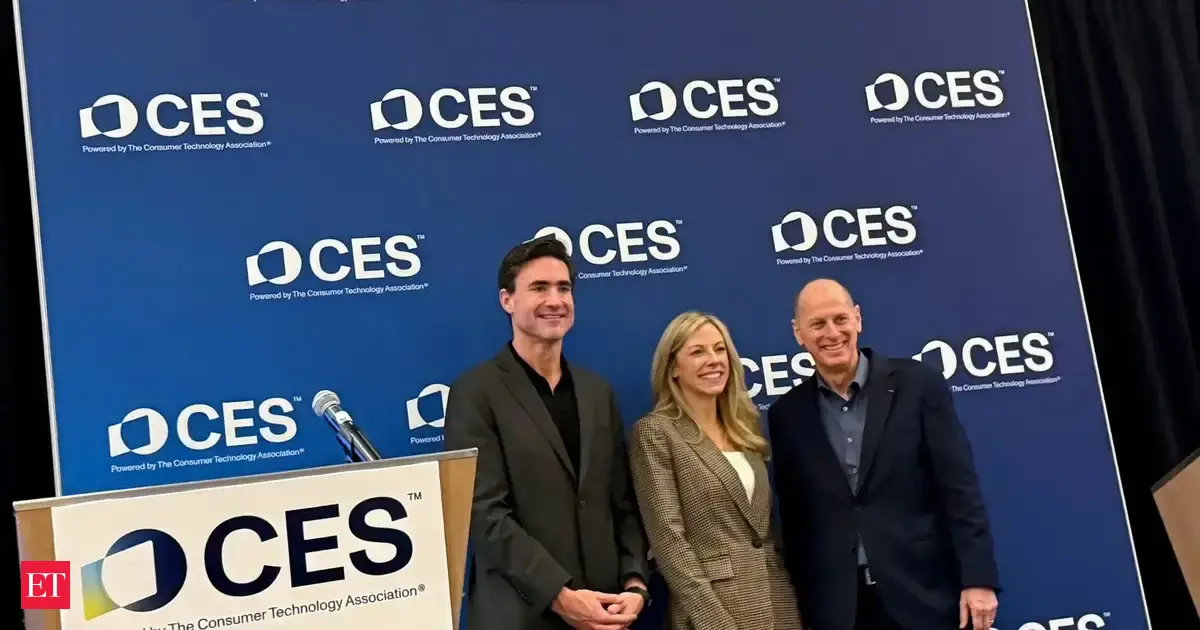
Forget the predictable parade of gadgets from the usual suspects; CES is now bracing for a vibrant, innovative deluge straight from the subcontinent. It seems the world's biggest tech showcase is quickly realizing that ignoring India's burgeoning tech scene is like trying to host a party without music – utterly pointless and devoid of energy. This isn't just about more attendees; it's about a distinct, innovative roar that's becoming impossible to ignore, making Silicon Valley perhaps look over its shoulder. The era of passive participation is over; India is here to innovate, disrupt, and perhaps even teach a seasoned old dog new tricks.
January 08, 2026
1 min read

Copper is having the kind of comeback most pop stars can only dream of. After 10,000 years of loyal service—from Neolithic beads to Bronze Age bling—this so‑called “divine metal” has quietly positioned itself as the VIP pass to our wired, electrified, decarbonized future. While everyone was arguing about crypto and AI, copper was busy becoming the bottleneck for clean energy, data centers, and electric everything, turning a humble reddish metal into the market’s favorite old god in a new pantheon of tech.
January 07, 2026
1 min read
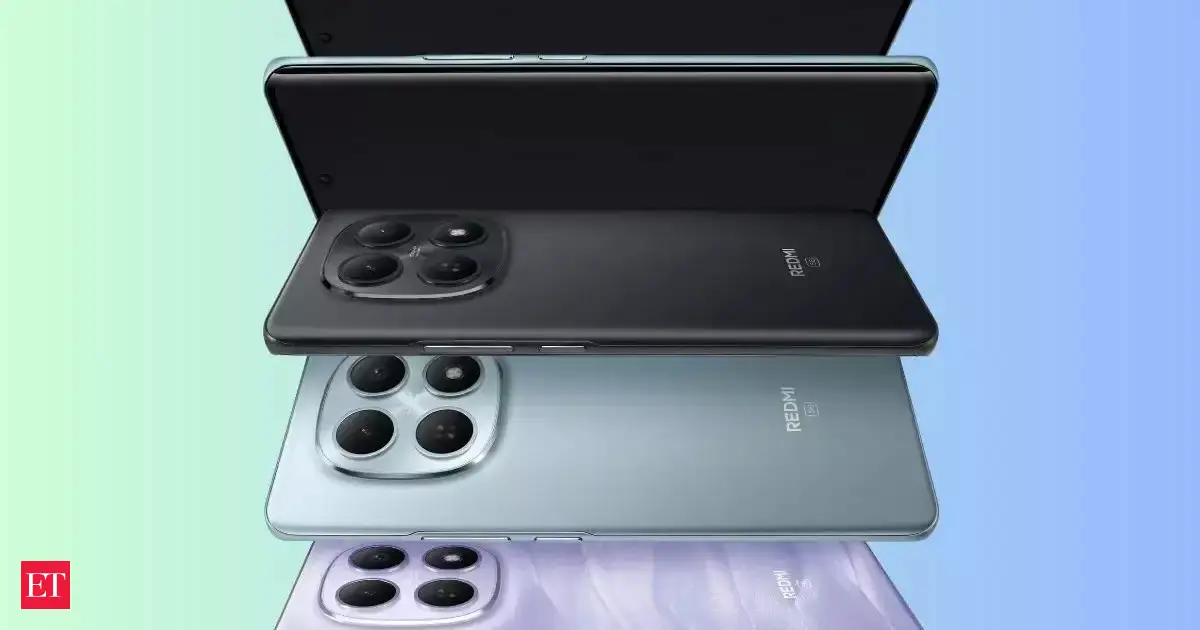
Forget the holiday blues—Xiaomi just dropped the **Redmi Note 15 5G** and **Redmi Pad 2 Pro** in India like a mic at a rap battle, proving budget tech can flex premium muscles without breaking the bank. With a **curved 120Hz AMOLED** that screams 'look at me' and a **108MP camera** sharper than your ex's passive-aggression, the Note 15 is here to school the mid-range segment on what sleek (7.35mm thin!) and snappy (**Snapdragon 6 Gen 3**) really means.
January 07, 2026
1 min read

Analysts from Elara, Nuvama, and Bloomberg forecast sequential revenue growth of just 0-2% for giants like TCS (flat), Infosys (-0.5%), and Wipro (~0.5%), hammered by US/Europe furloughs, lower utilization, and wage hikes offsetting rupee weakness. Eyes will be on AI deal commentary, with TCS touting $1.5B in AI revenue, but overall sector growth stays muted at ~7% YoY amid macro caution and tariff risks—midcaps like Coforge may shine brighter at 3%+.[1][2][4]
January 07, 2026
1 min read

AI can solve a Rubik's Cube in seconds, write a sonnet about a toaster, and even convincingly argue that pineapple belongs on pizza. But ask it to prove a theorem, and suddenly it's less a supercomputer and more a highly confident hallucination generator. Joel David Hamkins' blunt assessment isn't just a slight; it's a splash of cold, hard mathematical water on the hype machine, reminding us that true understanding isn't about pattern matching, but rigorous, verifiable truth.
January 06, 2026
1 min read
In a move that proves compiler engineering isn't boring, Polymage Labs—a deep-tech startup from India's IISc—just partnered with Tenstorrent to tackle the unsexy but absolutely critical problem of making specialized AI chips actually usable. Because apparently, building revolutionary AI hardware is easier than writing the software to run it. In just a few months of collaboration, Polymage's PolyBlocks compiler framework has already integrated with Tenstorrent's platforms, delivering impressive performance directly from unmodified PyTorch and JAX code. This partnership tackles a fundamental bottleneck in the AI industry: the lack of a mature software ecosystem that has historically slowed adoption of new accelerator platforms. By combining Polymage's compiler expertise with Tenstorrent's AI computing platforms, both companies are addressing the critical challenge of translating high-level developer instructions into optimized code that runs efficiently on complex hardware. The synergy enabled them to develop a complete, end-to-end compiler using modern MLIR-based infrastructure in just months—proof that great engineering teams working with complementary technologies can move mountains.