"Human": Cambridge’s 'word of the year' is a counterbalance to AI
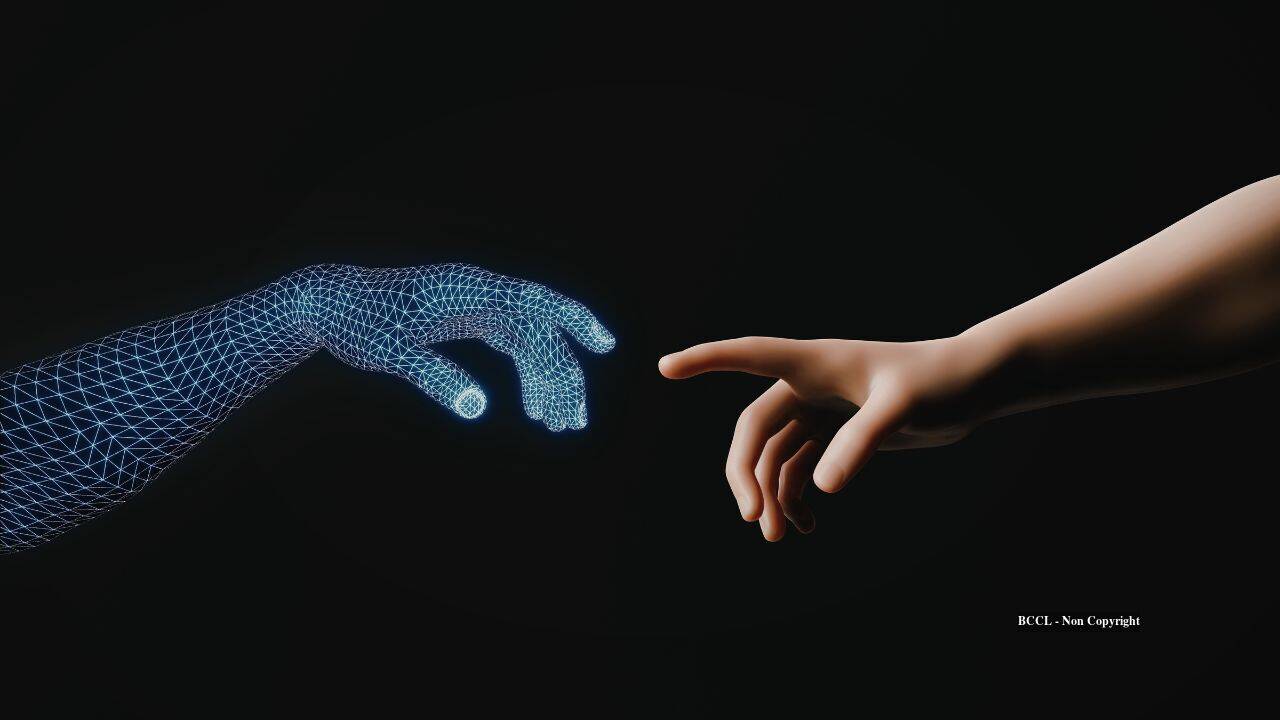
Honestly, choosing 'human' as the word of the year feels like the linguistic equivalent of reminding ourselves to breathe – utterly fundamental, yet astonishingly profound in its re-emphasis. It's almost as if AI, in its relentless march towards replication and optimization, inadvertently triggered a collective existential crisis, forcing us to lean back into the squishy, messy, utterly illogical bits that make us, well, *us*. Perhaps the machines are making us more human by demanding we define ourselves against them, a delightful irony only humans could appreciate.
Indeed, Cambridge Dictionary’s selection of 'human' for 2026 isn't merely a whimsical choice but a reflection of significant global trends. The rise of pervasive artificial intelligence has spurred a heightened recognition and valuing of distinct human attributes: our creativity, emotional depth, and capacity for genuine connection. This decision underscores an observable increase in discourse surrounding humanity's unique contributions, with terms like 'humanity,' 'humane,' and 'human-centric design' becoming more prevalent as we navigate an increasingly AI-driven world and seek to articulate our irreplaceable essence.