Before the AQI turns severe: How AI can help India breathe
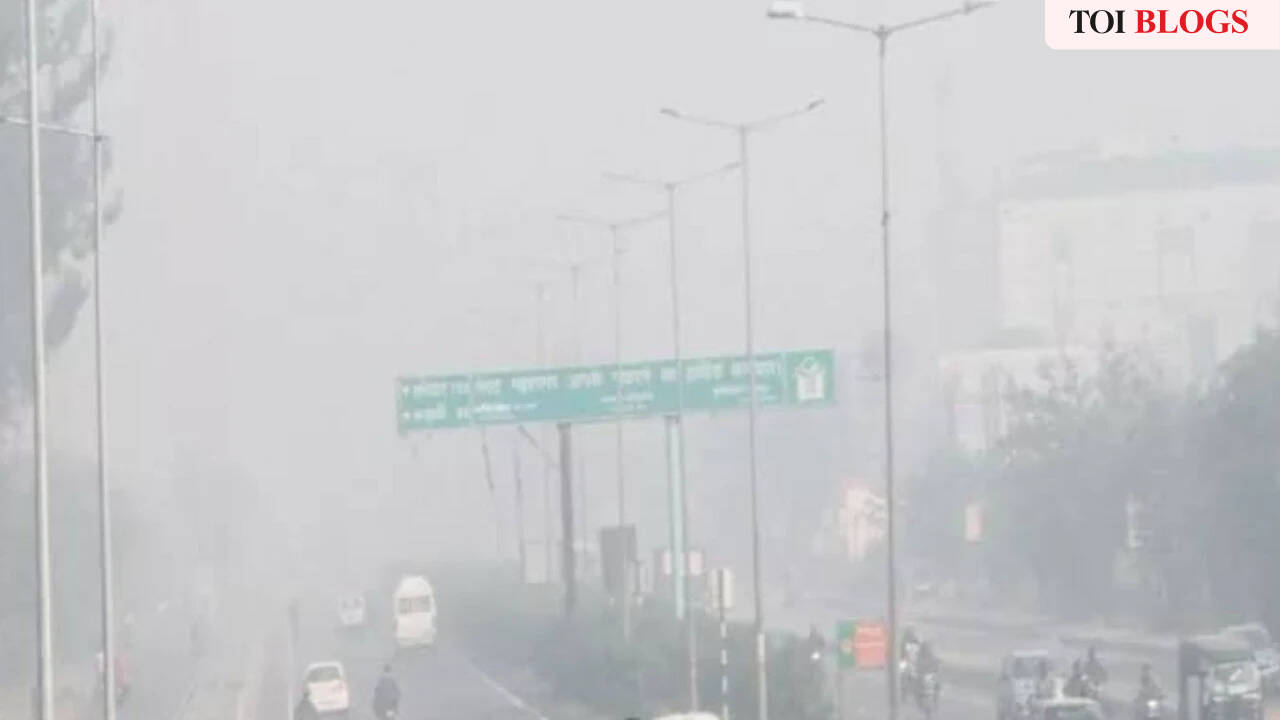
Every autumn, India braces itself not just for festivities, but for the annual 'Great Smog Olympics' where Delhi invariably takes home the gold in air quality abysmalness. Frankly, relying on good intentions and reactive bans feels less like a strategic plan and more like shouting at a smoke monster—ineffective and slightly absurd. What if, instead of waiting for the AQI to declare war on our lungs, we deployed a smarter, predictive arsenal? Because let's be real, hoping for a breezy November is hardly a viable public health strategy.
Indeed, the recurring November air pollution crisis in Delhi profoundly impacts residents' health and daily life. While laudable initiatives like the National Clean Air Programme (NCAP) exist, their effectiveness is often hampered by a lack of precise, granular data and a tendency towards broad, punitive measures rather than targeted, preventative action. This is precisely where harnessing artificial intelligence could revolutionize our approach, moving beyond reactive responses to offer sophisticated predictive modeling, real-time source identification, and proactive intervention strategies that are both precise and scalable, truly enabling India to breathe easier.