Altman's AI Crystal Ball: Predicting Futures, Fearing Monopolies (Except Maybe His Own?)
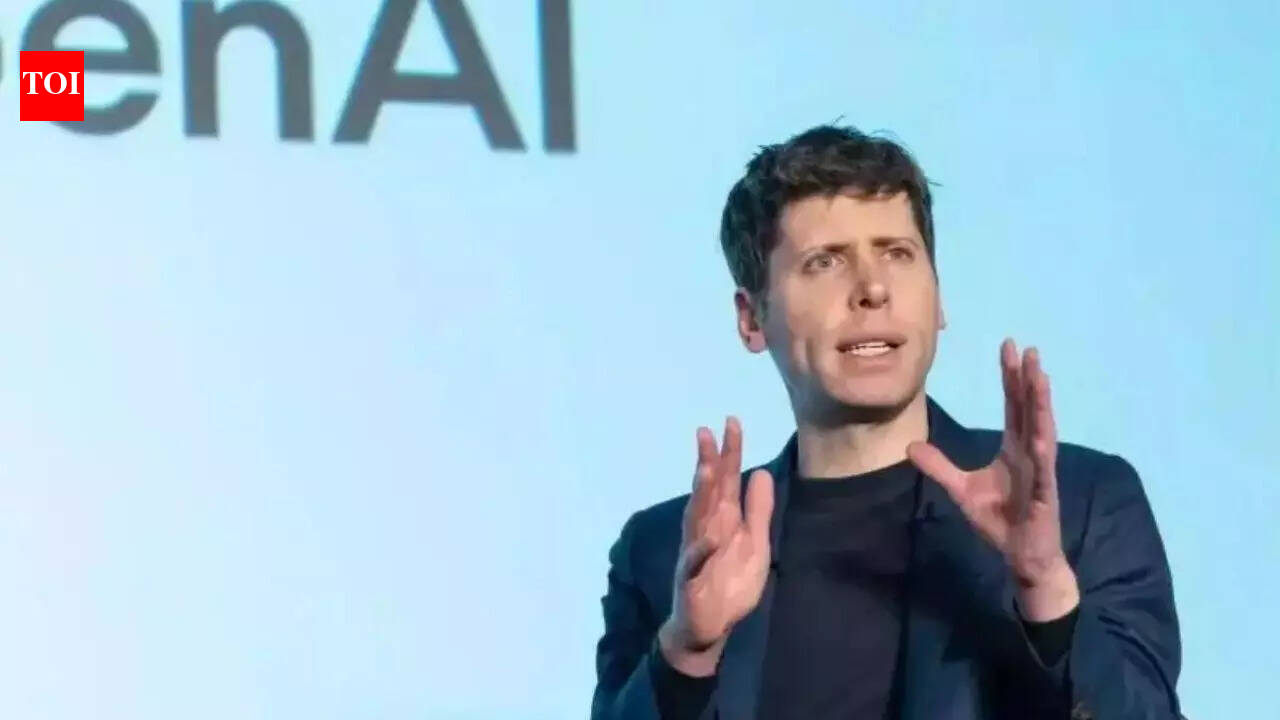
Sam Altman's recent prognostications on AI's future feel a bit like a seasoned gambler warning against the house winning too much – especially when he's holding a suspiciously good hand himself. While his scenarios range from benign international oversight to a unified AI collective, the real 'hot take' isn't his fear of a compute monopoly, but the masterful way he frames it as a universal threat, rather than merely a competitive disadvantage for his own burgeoning empire. It's a deft rhetorical move, positioning OpenAI as the conscientious arbiter of distributed power, even as they currently lead the charge in its accumulation.
Specifically, the OpenAI CEO outlined three potential pathways for advanced AI: an international watchdog organization modeled after the IAEA to ensure safety and ethical development; a unified global AI research body consolidating efforts and resources; or, the 'terrible' scenario, where a single company gains overwhelming computing power. This last possibility, which Altman views with grave concern, highlights anxieties about unchecked power and the potential for a sole entity to dictate the trajectory of superintelligence without broader societal input or democratic oversight.