When 'Convenience' Turns Concerning: Rapido Incident Sparks Bengaluru Safety Alarm
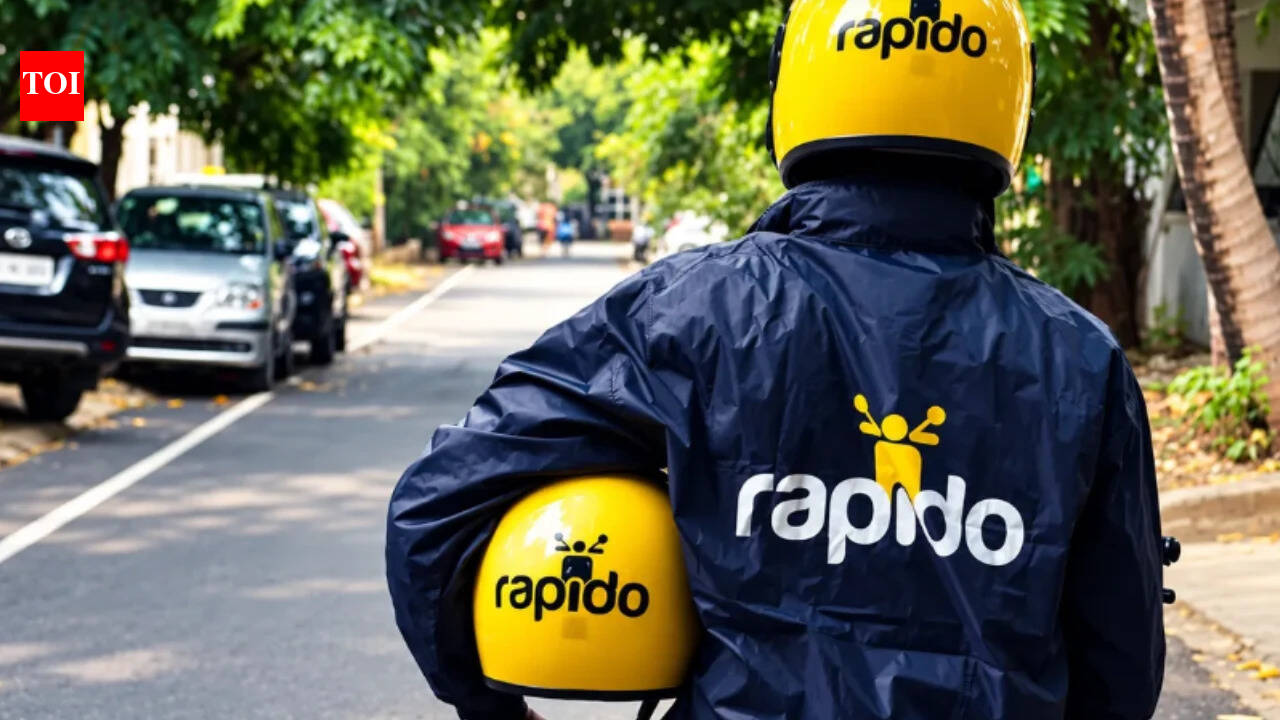
Ah, the shared economy – promising seamless commutes and doorstep delivery, yet often delivering a side dish of existential dread, particularly for women. This Rapido incident in Bengaluru isn't just a 'bad apple' story; it's a glaring symptom of a larger, systemic oversight where the pursuit of hyper-convenience has outpaced fundamental safety protocols. We're asked to trust an app with our well-being, only to find that the 'safety features' often kick in *after* the distress, leaving passengers to navigate awkward, uncomfortable, and downright dangerous encounters alone. Perhaps it's time we demand that our rides are as 'safe' as they are 'swift', rather than expecting women to carry the emotional burden of vigilance as an unlisted feature of every trip.
The recent incident saw a woman commuter recount a deeply troubling experience during a bike-taxi ride in Bengaluru. The driver reportedly engaged in unsettling discussions and made inappropriate physical contact, prompting the passenger to voice her concerns online. This account has ignited a fresh wave of safety alarms, particularly for women relying on ride-hailing services in urban centers. It underscores the critical need for robust driver vetting, immediate in-app safety features, and a more responsive complaint mechanism to ensure that the convenience of app-based transport doesn't come at the cost of personal security.