In 1809, Napoleon Bonaparte sent a coded message to his general; it remained mysterious for 217 years until AI cracked the meaning in 6 hours
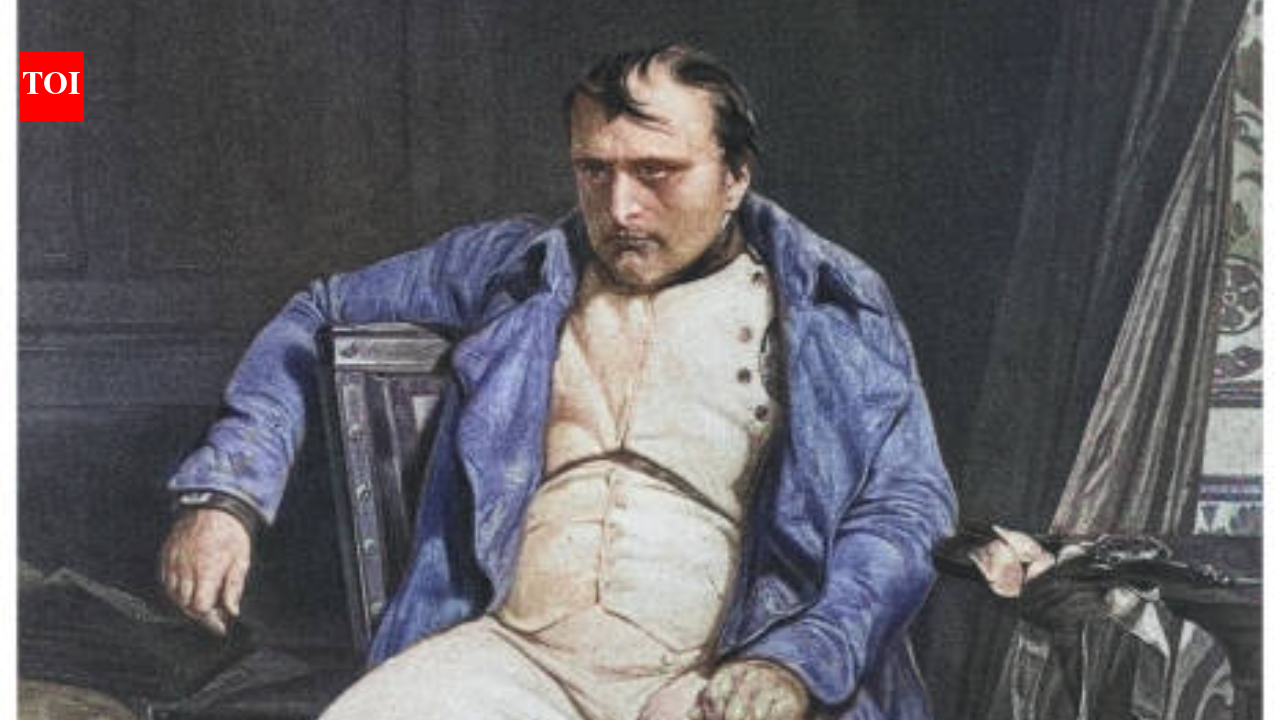
Napoleon Bonaparte, the strategic genius who often seemed several chess moves ahead of his contemporaries, probably never envisioned a future where his most clandestine communiqués would be unzipped faster than a digital envelope by a silicon brain. It's a deliciously ironic twist, isn't it? Centuries of human ingenuity, historical research, and cryptographic head-scratching, all rendered quaint by an algorithm that likely also suggests what streaming shows you'd enjoy. One has to wonder if, in the afterlife, the Emperor is either seething at the technological effrontery or furiously trying to apply for an AI-powered imperial chat assistant.
The real breakthrough, however, isn't just fodder for historical chuckles. It comes courtesy of Carter Church, a skilled AI engineer who successfully applied modern computational prowess to a deeply entrenched historical enigma. This crucial military message, dispatched by Napoleon in 1809, had remained stubbornly indecipherable for 217 years, largely due to the complete loss of its original cypher key. Church's innovative methodology, which brilliantly merged advanced AI pattern recognition with meticulous historical inquiry and linguistic analysis, finally unveiled its long-hidden contents in a mere six hours, demonstrating the profound potential of AI to bridge the gaps in our understanding of the past.