He discussed DNA sequencing over beers in 1997; how Shankar Balasubramanian helped transform the way the world reads genomes
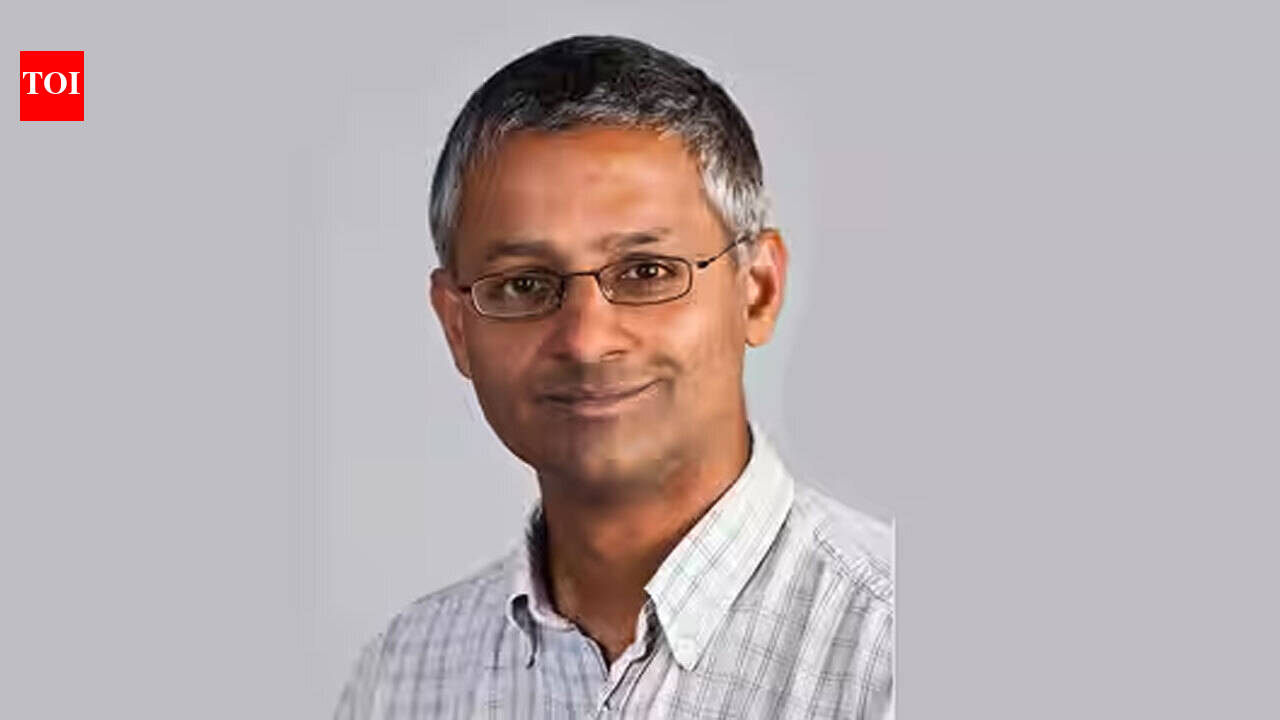
Who knew that the path to unlocking humanity's genetic code ran directly through a Cambridge pub in '97, likely stained with a few spilled pints and revolutionary ideas? While most of us were fumbling with dial-up internet and questionable fashion choices, Shankar Balasubramanian and his collaborators were brewing something far more impactful than ale: a seismic shift in how we understand life itself. It just goes to show, sometimes the most profound scientific leaps begin not in sterile labs, but amidst the clinking of glasses and the camaraderie of a good conversation.
This seemingly casual origin story, specifically a fateful 1997 meeting between Balasubramanian and David Klenerman, laid the foundation for what would become a cornerstone of modern molecular biology. Their collaborative genius, later joined by Pascal Mayer, led to the development of next-generation sequencing technologies. This pioneering work, recognized with the prestigious 2026 Wolf Prize in Chemistry, democratized DNA sequencing, slashing costs and accelerating research across medicine, agriculture, and biotechnology, fundamentally transforming our ability to read and interpret entire genomes.