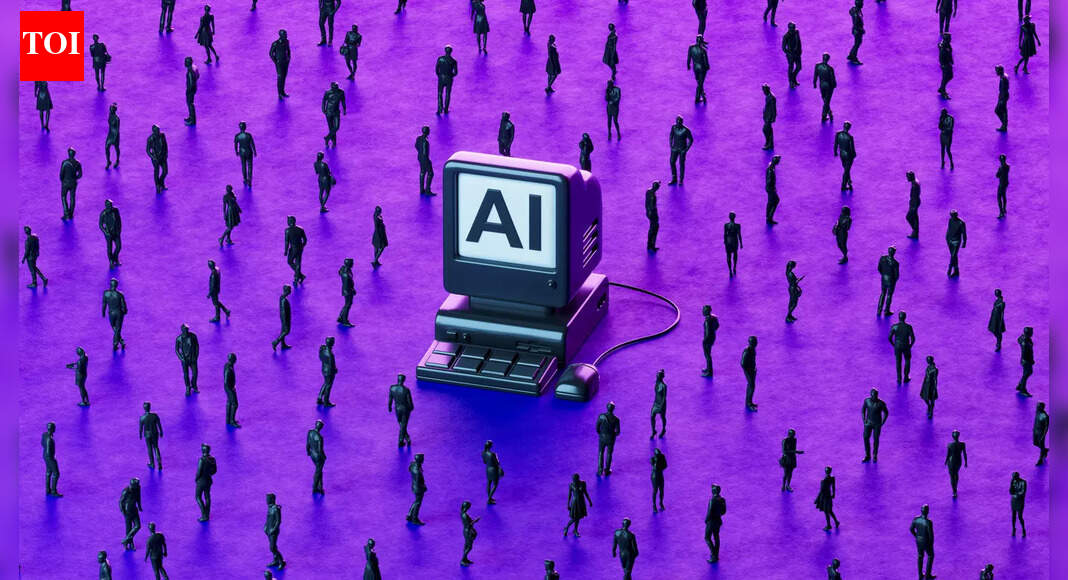
Did artificial intelligence really drive layoffs at Amazon and other firms? It can be hard to tell

Let's be honest, blaming AI for layoffs is the corporate equivalent of 'the dog ate my homework' – only this dog writes code and occasionally generates unsettling poetry. While the allure of efficiency gains from artificial intelligence is undeniably potent, attributing every workforce reduction solely to a rise in silicon supremacy feels a tad too convenient. It's often easier to point to a futuristic, vaguely understood technology than to dissect the less glamorous realities of overhiring, economic slowdowns, or plain old strategic miscalculations. The 'AI did it' narrative provides a wonderfully modern, somewhat inevitable-sounding justification that conveniently sidesteps more uncomfortable conversations about management's past decisions or broader market conditions.
Indeed, many assumed Amazon's 16,000 corporate layoffs announced last week reflected CEO Andy Jassy's push to 'reduce our total corporate workforce as we get efficiency gains from using AI extensively across the company.' But like other companies that have tied workforce reductions to technological advancements, the full picture is rarely so singular. These widespread cuts often coincide with broader economic uncertainties, a post-pandemic recalibration of staffing levels after rapid expansion, or a renewed focus on profitability after years of growth-at-all-costs. While AI will undoubtedly reshape job roles and create efficiencies, disentangling its direct impact from a complex web of macroeconomic pressures and internal restructuring efforts makes it genuinely challenging to pinpoint AI as the sole, or even primary, driver behind such significant corporate layoffs.