The Unintended Evolution: How Abandoned Sheep Became a Genetic Goldmine on Campbell Island
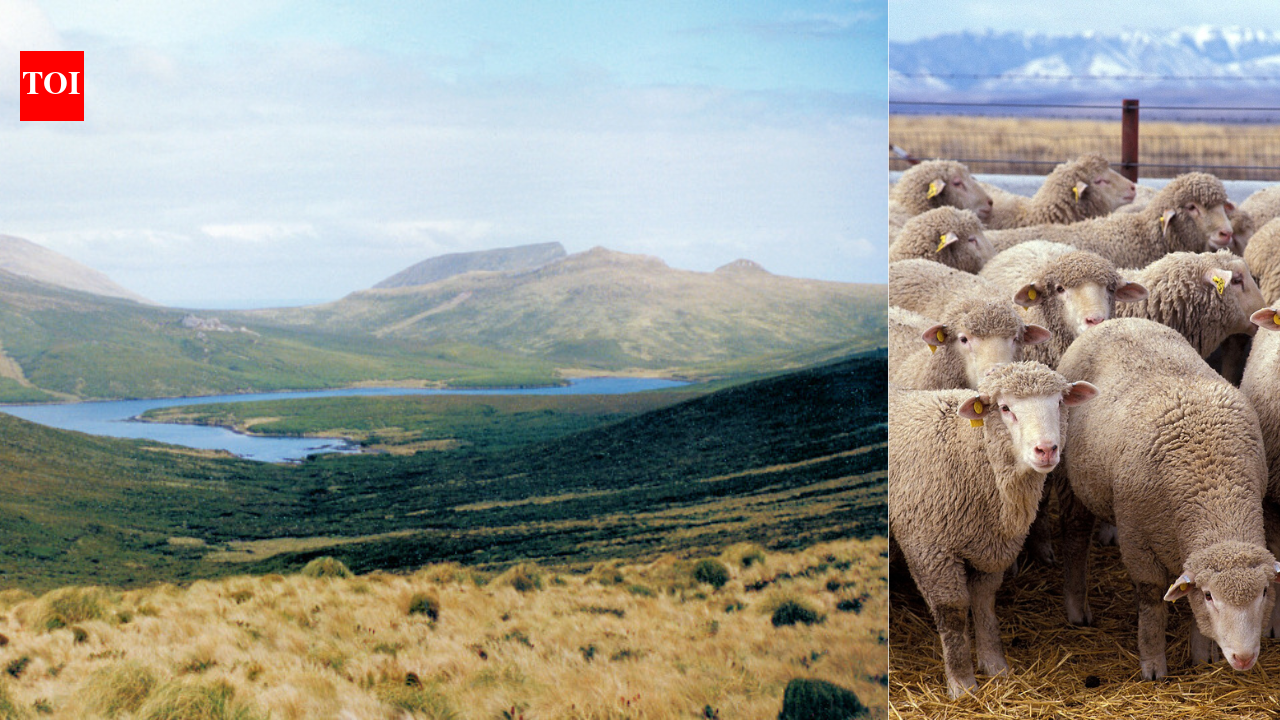
Who knew a farmer's financial ruin could lead to a living laboratory of accelerated evolution? It's almost as if nature decided to show us up, turning a tale of abandonment into a fascinating experiment in genetic adaptation. Forget carefully controlled studies; sometimes, the greatest scientific discoveries come from the most chaotic human blunders, proving that even a flock of discarded sheep can contribute profoundly to our understanding of the natural world.
The dramatic saga began in 1931 when a bankrupt farmer left 4,000 sheep to their fate on the remote, sub-Antarctic Campbell Island. Left to survive without human intervention, these animals quickly reverted to a feral state, adapting remarkably to the harsh, unforgiving environment. Over decades of profound isolation, this unintended genetic bottleneck produced a unique flock displaying rare inherited traits, providing a living case study in evolutionary biology. By 1970, however, their burgeoning population and voracious grazing habits posed a significant threat to the island's fragile native vegetation, prompting complex conservation dilemmas and the eventual decision to remove the sheep to protect Campbell Island's unique ecosystem.