Tata succession a test of whether Indian capitalism has matured
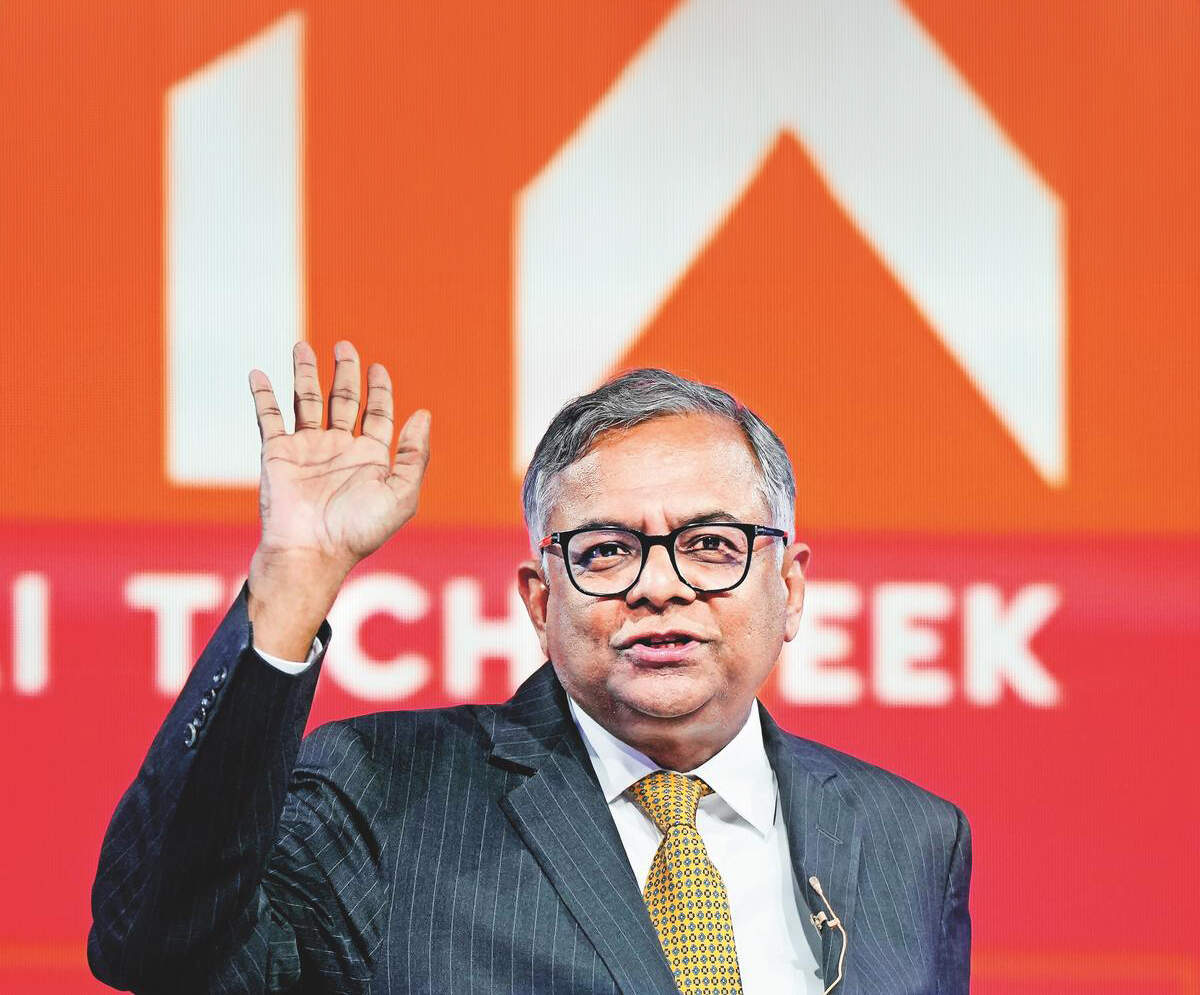
When corporate behemoths like the Tata Group find themselves in a boardroom brawl, it's never just about who gets the corner office. It's a grand public spectacle, a corporate 'Game of Thrones' played out with share prices instead of swords, that inevitably drags the entire ecosystem into its drama. The current succession saga isn't merely a clash of titans; it's a litmus test, revealing whether India's economic engine has truly shed its old skin of family-first fealty for the more robust armor of modern corporate governance. Or perhaps, it just shows that even the most venerable institutions are still susceptible to good old-fashioned human drama, dressed up in designer suits.
Indeed, what happened in Bombay House last week is the poignant tale of two well-intentioned people, both acting in good faith, but finding themselves on opposite sides of a conflict. Their legitimate conceptions of what constitutes ethical leadership, long-term strategic vision, and the very stewardship of a conglomerate deeply intertwined with national identity, diverged so fundamentally that compromise became impossible. This isn't just a squabble over power; it's a foundational debate on how a behemoth like Tata, with its unique philanthropic and commercial DNA, should navigate the complexities of modern global capitalism, setting a precedent for corporate India's future.