The Smartphone Is Not Going Away Yet: Google Exec on AI Devices and the Future of Computing
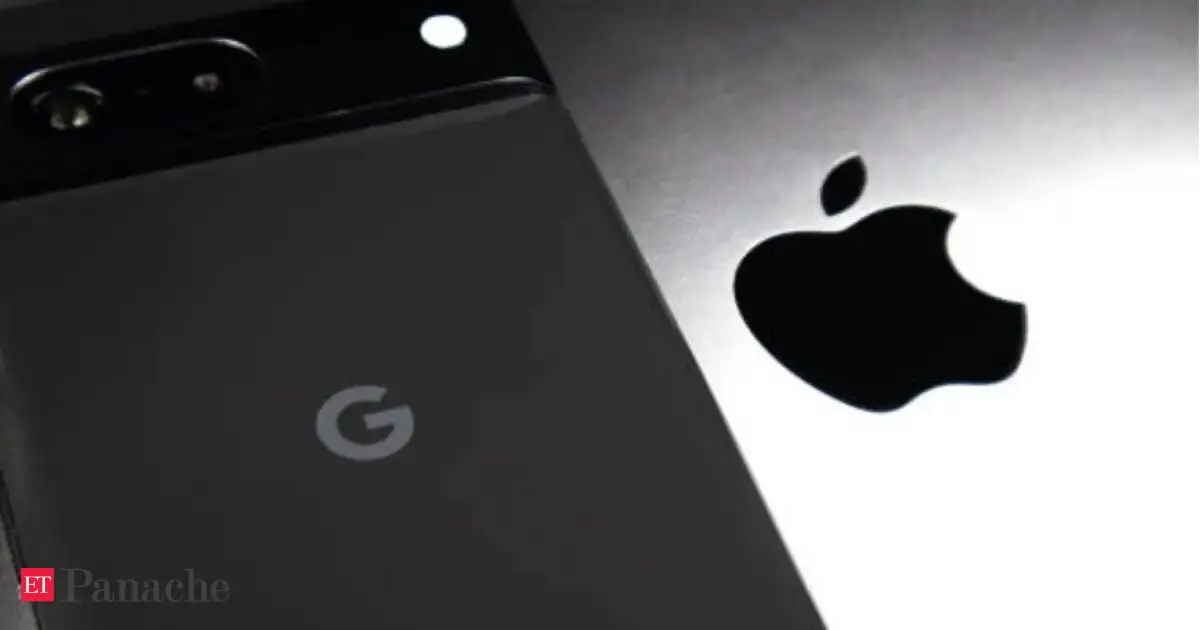
Let's be real: every decade, some shiny new gadget promises to unseat the smartphone from its digital throne, only to end up being a quirky sidekick or a fleeting tech-fad footnote. While whispers of AI-powered smart glasses and standalone AI devices are certainly buzzing, the idea that our beloved pocket computers are on death's door is, frankly, premature – a sentiment seemingly echoed by Google's strategy. It seems our digital appendages are far too entrenched for a quick dethroning; they're the multi-tool in a world of single-purpose gadgets, and convenience almost always trumps novelty, at least in the short term.
The reality check reveals a more nuanced landscape: smart glasses are indeed showing promising growth, hinting at future potential, but dedicated standalone AI devices are largely struggling to gain traction with consumers. Rather than betting on an immediate smartphone replacement, tech giants like Google are smartly focusing on making our *existing* devices more helpful and intuitive through embedded AI. This approach suggests an evolution, not a revolution, where AI enhances the computing power we already hold, making our phones smarter, not obsolete, by seamlessly integrating new capabilities into the very fabric of our digital lives.