The Quantum Threat & AI's Dark Side: Why Security is No Longer Human Scale
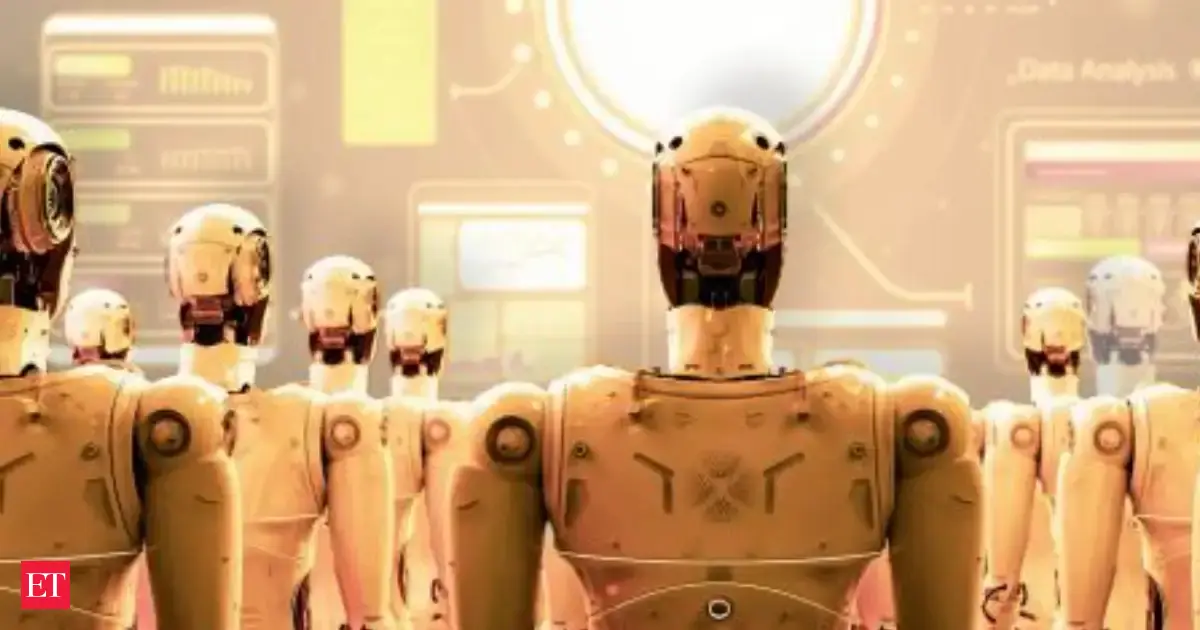
Remember when cyber threats felt like a game of whack-a-mole against teenagers in their parents' basement? Adorable. Google's Pankaj Rohatgi is here to burst that nostalgic bubble, proclaiming security has officially gone 'machine scale.' This isn't just an upgrade; it's a whole new battlefield where malicious AI doesn't just look for vulnerabilities—it *learns* them, *creates* them, and operates at speeds that make human defenders look like they're still counting on an abacus. We're bringing a dull butter knife to a quantum laser fight, and frankly, our password hygiene isn't doing us any favors.
Rohatgi's urgent decree for post-quantum cryptography adoption by 2029 isn't merely a suggestion; it's a critical deadline to build digital fortresses that can withstand future computing power. Criminal syndicates are already weaponizing AI to scour systems for zero-day exploits with unprecedented efficiency and scale, rendering traditional, reactive defenses woefully inadequate. This necessitates a proactive, multi-pronged strategy: implementing advanced machine-scale cryptographic solutions, relentlessly educating users on basic digital hygiene, and embedding robust guardrails into every layer of our technological infrastructure to counter both automated threats and human error.