The Great Pivot: How US Tariffs Are Unwittingly Remapping China's Industrial Empire in Vietnam
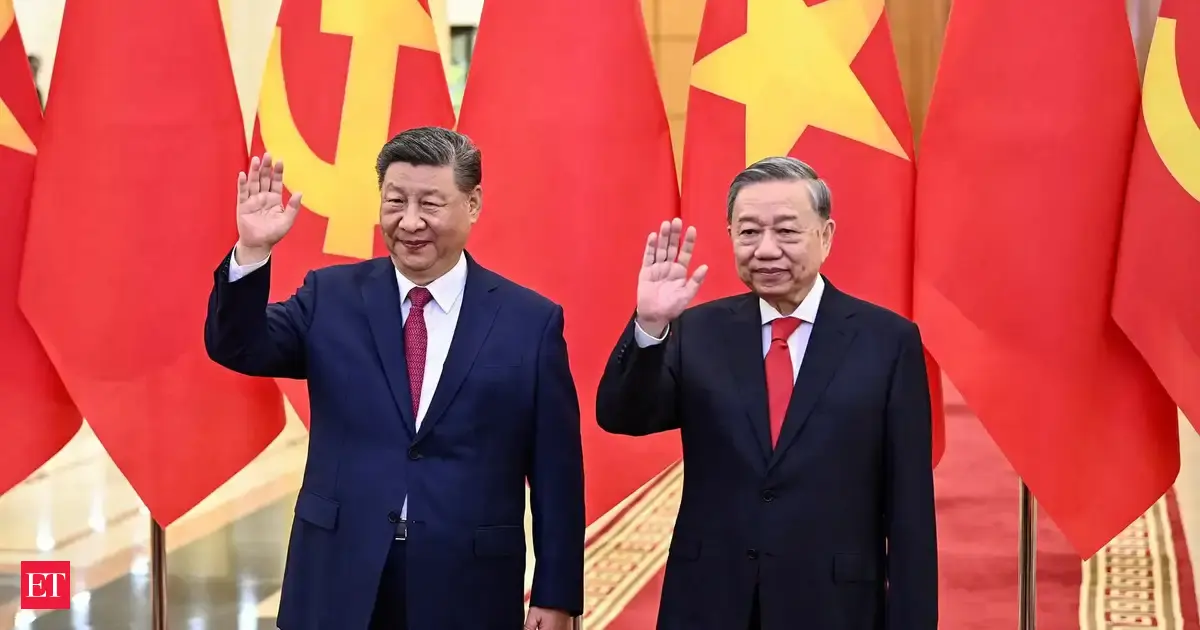
It’s the kind of geopolitical irony that makes you spill your boba tea: Washington levies tariffs to box in China, and Beijing responds not by shrinking, but by seemingly *expanding* – right into Vietnam. What was intended as economic punishment for China has morphed into an elaborate game of global supply chain hopscotch, with Chinese factories now sprouting like bamboo shoots across Vietnam. This isn't just about avoiding duties; it's a masterful, if indirect, recalibration of China's manufacturing footprint, effectively turning a trade war challenge into a geographic opportunity, much to the exasperation (or silent admiration) of bewildered onlookers.
For decades, Vietnam trod carefully, balancing its burgeoning relationship with Western powers against its complex, often fraught, history with China. Memories of the 1979 border war and ongoing South China Sea disputes ensured a healthy skepticism towards its northern neighbor, even as it embraced US investment post-embargo. However, the relentless pressure of US tariffs has created an irresistible economic pull, drawing Chinese manufacturers, capital, and expertise south. This influx isn't just a matter of relocating assembly lines; it signifies a profound, if pragmatic, shift in Vietnam's economic calculus, transforming a cautious rivalry into a critical, albeit complicated, co-dependence in the global production landscape.