Congress Locks Down AI Chip Controls: Senators Block Trump From Loosening China Restrictions
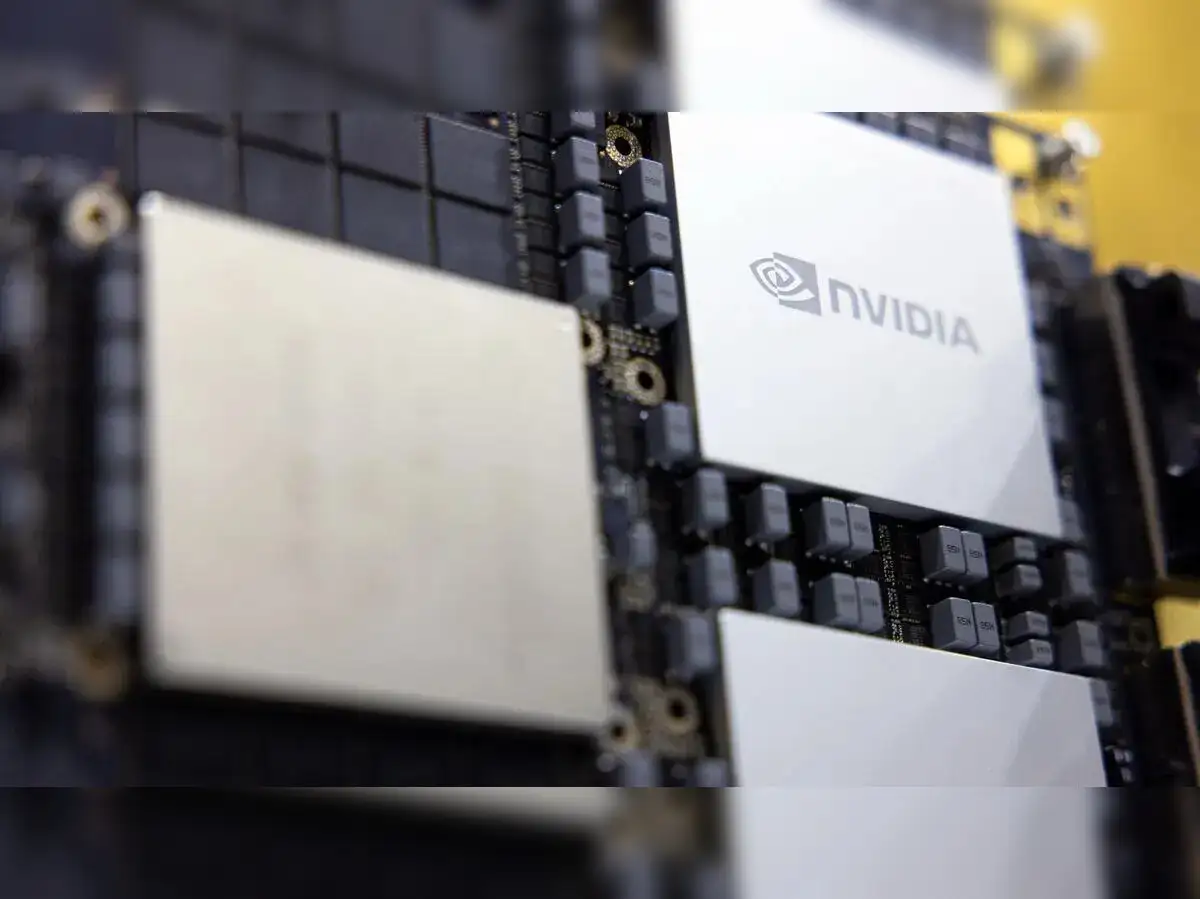
Congress just decided to play semiconductor chess while the Trump administration wanted to flip the board—a bipartisan group of senators has essentially said 'nice try' to any plans of loosening China's AI chip diet, locking in export restrictions for the next 30 months whether the administration likes it or not. It's a fascinating power play that reveals the real battle isn't just about chips, but about who controls America's technological future: lawmakers concerned about national security, or an administration potentially seeking geopolitical leverage through tech concessions.
The SAFE Chips Act targets AI semiconductors from NVIDIA and AMD, mandating that China, Russia, Iran, and North Korea can only access downgraded versions like NVIDIA's H20 and AMD's MI308 until 2028. This legislative move directly counters recent reports of the Trump administration considering approval for NVIDIA's more powerful H200 exports to China. While NVIDIA argues that restricted sales merely accelerate China's domestic chip development and weaken American competitiveness, lawmakers contend that preventing access to cutting-edge processors is essential for maintaining U.S. technological superiority in the AI race—a debate that will likely intensify as both nations compete for AI dominance.